
From the skip to the invoice, keep the trail.
Agree supplier terms when the project starts. Then follow collections, treated tonnage and the documents that explain the actual cost.
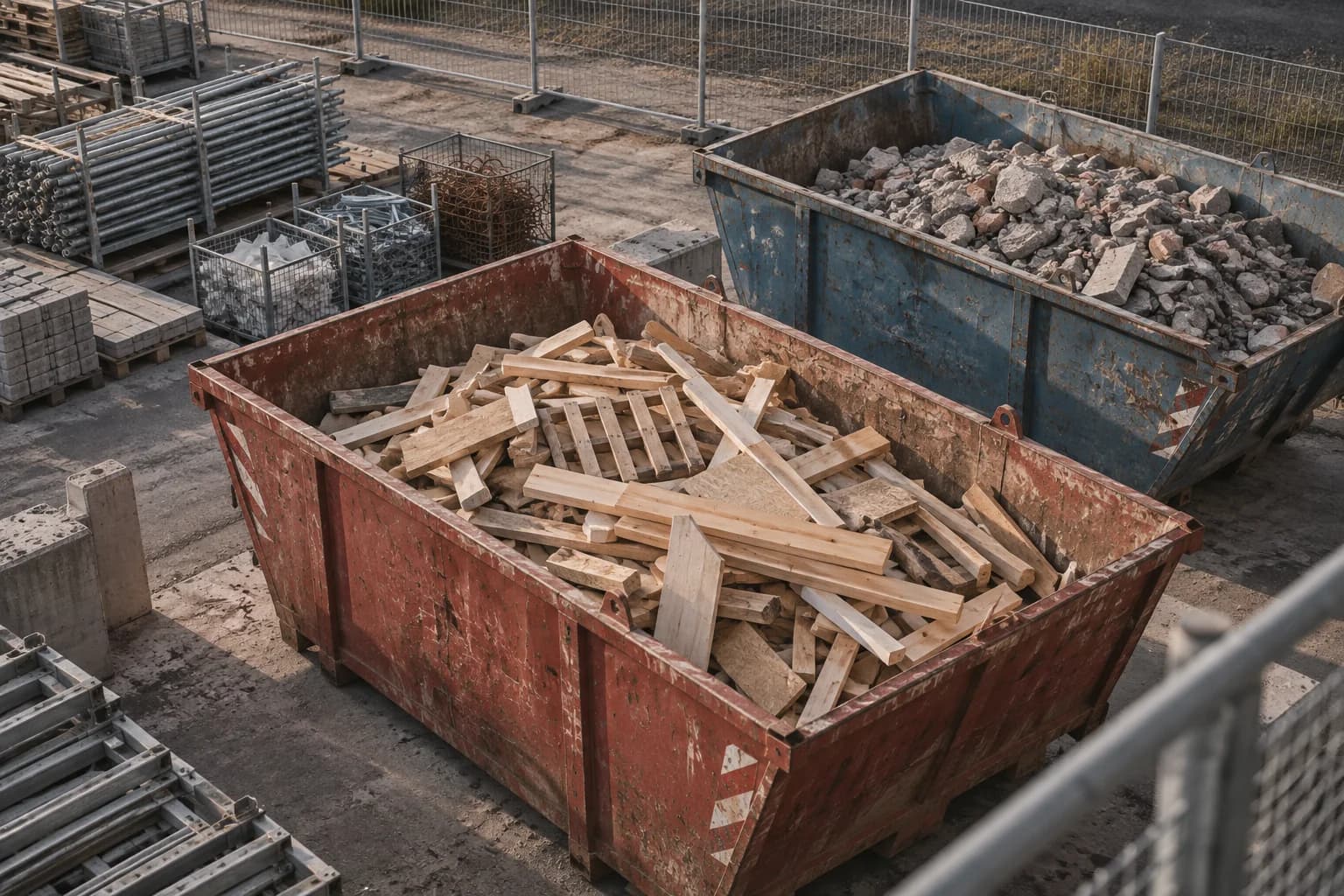
A collection is easy to request. Harder to substantiate. The weight arrives after collection. Classification may change on receipt. The monthly statement needs to connect each movement with its rate and evidence.
Scope the project
Waste streams, containers and prices agreed before the first placement.
Document every collection
Collection, accepted weight and destination in the same file.
Review the monthly statement
Treatment, transport and reclassification explained line by line.
From the field request to the invoice. Every detail matters.
One record for negotiated terms, site events and purchasing control.
An agreement at the start. A record throughout.
Use the waste estimate to consult your supplier panel and agree project terms. Different streams can use different providers without a new tender for every collection.
- Waste type and container capacity
- Treatment per tonne, transport and standing charges
- Provider and planned destination for each stream
Collection plan

Agreed rates · September
Container standing charge: per project agreement
The skip leaves. Its records stay.
Connect placement, exchanges and final removal. Gather the collection note, weight and destination records for each movement, using documents supplied by the provider.
- Requested and confirmed dates
- Actual weight and classification on receipt
- Photos and reasons for reclassification
Order details
Agreed rates · September
- Declared stream
- Timber
- Container
- 15 m³
Exchange requested
16 Sept · 08:00Skip collected · note received
16 Sept · 10:20Weight received · classification to review
16 Sept · 11:45A reclassification deserves an explanation.
Match collections to the monthly statement and agreed rates. Identify missing documents or rate changes before approving costs and consolidating reports.
- Treatment cost separate from transport
- Reclassification reviewed with supporting evidence
- Material recovery, energy recovery and disposal distinguished
Invoice review
Agreed rates · September
| Reference | Expected | Billed |
|---|---|---|
| Treatment · 3.20 t | €134.40 | €512 |
| Collection | €180 | €180 |
| Total excl. tax | €314.40 | €692 |
Timber declared. Mixed waste billed.
Reclassification reason and photos to obtain
Start with your contracts. And a real project.
Your suppliers, site documents and approval rules shape the workflow. Together, we scope the data to collect and the exchanges needed with your ERP.
Discuss your workflowQuestions from procurement teams.
Do we need a new tender for each collection?
No. Providers can be selected at the start of the project, with a supplier per stream and agreed rates for the works. Subsequent collections sit within that agreement.
How should reclassified waste be handled?
Keep the declared type, received classification, weight and the provider’s reason. Photos and evidence support review of the variance; your teams remain responsible for approval.
How do documents and Trackdéchets fit together?
Required documents depend on the waste. In France, Trackdéchets applies notably to hazardous waste and asbestos. Consignment references, documents and potential exchanges with existing systems are scoped together; a supplier connection is not assumed.